
When Coping Replaces Learning

Sometimes the easiest path forward is the one that prevents you from learning why you’re lost.
The project reached the finish line.
Not in the form originally envisioned.
Not with the interactions that had been proposed.
Not with the experience that had been demonstrated.
Not with the architecture the team initially planned.
But it shipped.
The ambitious Storyline build became a collection of Rise microcourses—a practical compromise that ultimately delivered the project.
The custom solution became a practical one.
The original vision gave way to the reality of timelines, dependencies, technical constraints, and organizational capacity.
In many ways, the project was a success.
Which raises an uncomfortable question:
If the project succeeded, why did so many of the same problems continue to appear afterward?
That question stayed with me long after the delivery was complete.
The answer, I eventually realized, had very little to do with the project itself.
It had everything to do with the difference between adaptation and improvement.
Adaptation delivers the project. Improvement changes the system.
The Organization That Learned to Cope
Every organization develops coping mechanisms.
Workarounds.
Heroics.
Temporary fixes.
Creative solutions.
People stepping outside their roles to solve problems.
The problem is not that these things exist.
The problem begins when temporary solutions become permanent operating procedures.
When every issue is addressed through adaptation, an organization can continue delivering while quietly losing its ability to learn.
At that point, success becomes increasingly dependent on the people compensating for the system rather than the system improving itself.
From the outside, everything still appears productive.
Projects move.
Deadlines get met.
Deliverables ship.
But underneath the surface, the same categories of friction continue appearing over and over again.
Not because people are incapable.
Because the organization has become exceptionally good at coping.

Temporary solutions have a way of becoming permanent systems.
The Problems Nobody Owned
The most persistent problems in organizations are rarely the ones nobody sees.
They’re the ones everybody sees.
The QA gap everyone works around.
The review bottleneck everyone knows about.
The LMS limitation everyone compensates for.
The dependency everyone complains about.
The AI process everyone uses but nobody governs.
These problems don’t disappear.
They become organizational orphans.
Responsibilities without owners.
One of the clearest examples was quality assurance.
At one point, dedicated QA roles existed.
Over time, those roles disappeared.
The need for quality did not.
The responsibility simply shifted to everyone else.
Every developer became QA.
Every designer became QA.
Every contributor became responsible for catching everything.
Eliminating a role did not eliminate the work.
It redistributed the responsibility.
The same pattern appeared elsewhere.
Technical limitations drifted toward developers.
Review responsibilities drifted toward newly appointed leads.
AI experimentation drifted toward individual contributors.
Governance questions drifted into informal conversations.
The work remained.
Ownership became harder to find.
Responsibilities don’t disappear. Ownership does.
Small Signals
Organizational drift rarely arrives dramatically.
It shows up through small signals.
A postmortem gets skipped.
A one-on-one gets canceled.
A lessons learned discussion gets postponed.
Version confusion appears.
Documentation expands.
Workarounds multiply.
One of the most revealing moments came from something as simple as a shared presentation.
Multiple versions existed.
Multiple contributors were working simultaneously.
Ownership of the source document had become unclear.
Near a deadline, the wrong version was opened.
It appeared that significant portions of the work were missing.
The reaction was immediate.
Only later did someone identify the correct version and realize the work had been there all along.
What stayed with me afterward wasn’t the reaction.
It was the realization that a version-control problem had briefly been interpreted as a performance problem.
The crisis wasn’t caused by effort.
It was caused by ambiguity.
And ambiguity has a way of creating urgency where clarity should have existed.

Ambiguity often looks like a people problem until someone discovers it’s actually a systems problem.
Rewarding Recovery
One pattern I started noticing was how organizations celebrate recovery.
Someone saves a project.
Someone works late.
Someone rescues a deadline.
Someone figures out a workaround.
Someone absorbs the chaos.
The effort is real.
The contribution matters.
But over time, an uncomfortable question emerges:
Why are we celebrating recovery more often than prevention?
Healthy systems reduce the need for heroics.
Unhealthy systems normalize them.
Eventually, the ability to survive becomes more visible than the ability to improve.
The person who rescues the project receives recognition.
The process improvements that might have prevented the rescue often receive far less attention.
Recovery feels productive.
Prevention feels invisible.
Organizations often reward recovery because recovery is visible. Prevention is not.
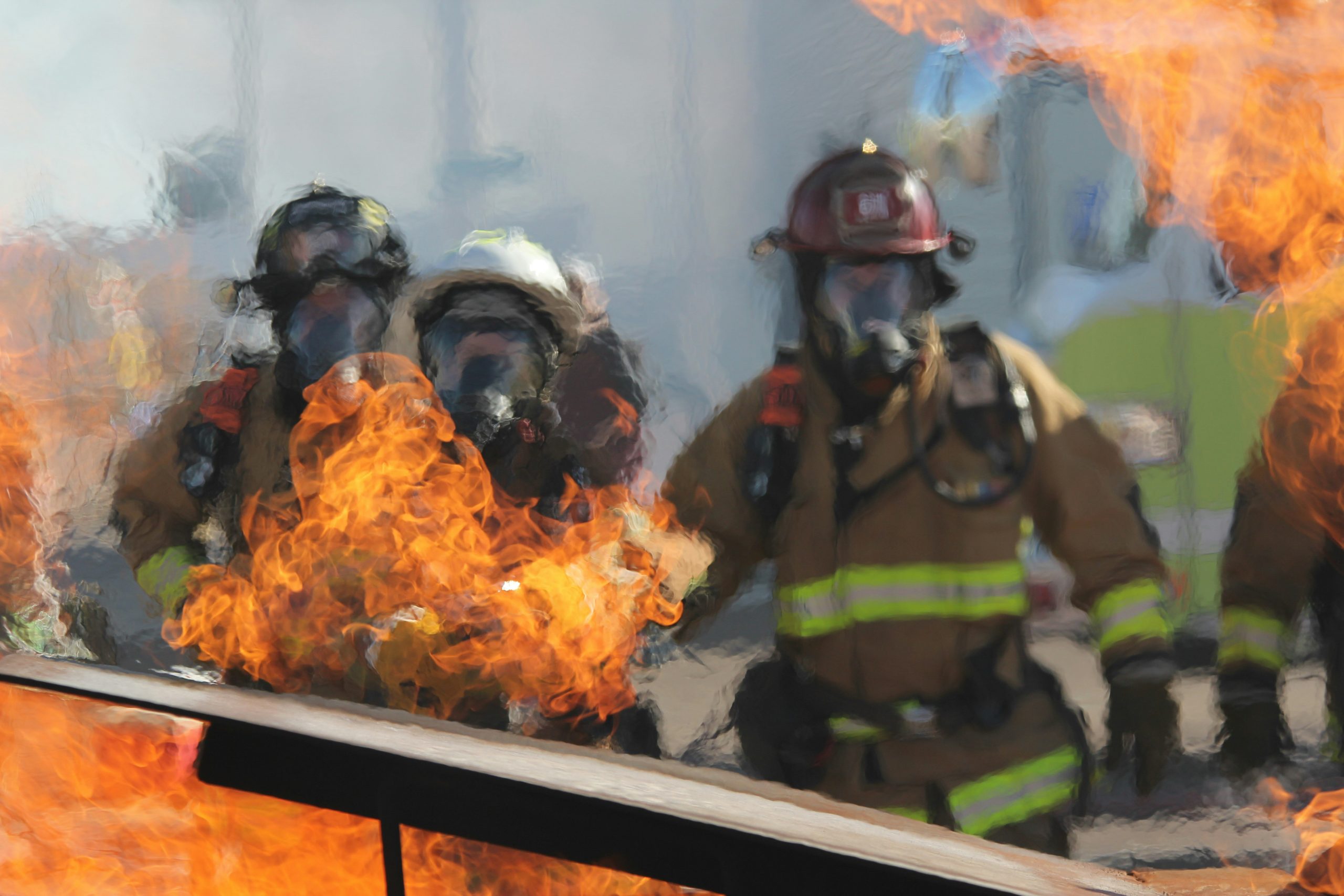
The rescue is memorable. The prevention is forgotten.
When Reflection Disappears
What fascinated me most wasn’t the friction itself.
Every organization experiences friction.
It was the gradual disappearance of reflection.
Postmortems became less frequent.
Lessons learned became harder to schedule.
Conversations about improvement gave way to conversations about delivery.
There was always another deadline.
Another request.
Another priority.
Improvement became something that would happen later.
The problem with later is that it rarely arrives.
Organizations don’t usually stop learning intentionally.
They stop learning gradually.
One postponed conversation at a time.
One skipped retrospective at a time.
One workaround at a time.
Until eventually adaptation becomes the default response to every problem.

Learning doesn’t disappear all at once. It fades through neglect.
Adaptation Is Not Improvement
I’ve worked on larger distributed teams.
I’ve worked on more complex programs.
I’ve worked in environments with more stakeholders, more dependencies, more technical constraints, and more operational complexity.
And in many cases, there was less friction.
Not because the people were better.
Because the systems were better.
Ownership was clearer.
Dependencies were understood.
Technical limitations were acknowledged earlier.
Lessons learned became inputs for future work rather than artifacts of past failures.
The difference wasn’t scale.
The difference was organizational maturity.
Healthy organizations learn from friction.
They examine failed assumptions.
They revisit decisions.
They conduct postmortems.
They convert experience into institutional knowledge.
Unhealthy organizations normalize friction.
They adapt.
They compensate.
They recover.
They move on.
For a while, both can appear equally productive.
That’s what makes the distinction so difficult to see.
The deliverables still ship.
The work still gets done.
The dashboards still look healthy.
But eventually the difference becomes visible.
People leave.
Knowledge leaves with them.
The same problems reappear.
The same workarounds resurface.
The same conversations happen again.
The organization wasn’t short on talent.
It wasn’t short on effort.
It wasn’t even short on awareness.
It gradually became short on the practices that allowed smart people to learn from one another.
And once that happens, adaptation starts masquerading as improvement.
The team becomes exceptionally good at coping.
But coping was never meant to be the strategy.
It was supposed to be temporary.
Improvement was supposed to come next.
Organizations don’t become resilient because they cope well. They become resilient because they learn well.
Healthy organizations learn from friction. Unhealthy organizations normalize it.


Leave a Reply